
Skip to content

HomeWhat we doAnimal welfareDog sterilisation drives

Animal welfare programme

Dog sterilisation drives

Sterilisation is the most humane way to stabilise community dog populations over time. It is a surgical procedure, and it is only as good as the veterinary standards and the recovery care that surround it.
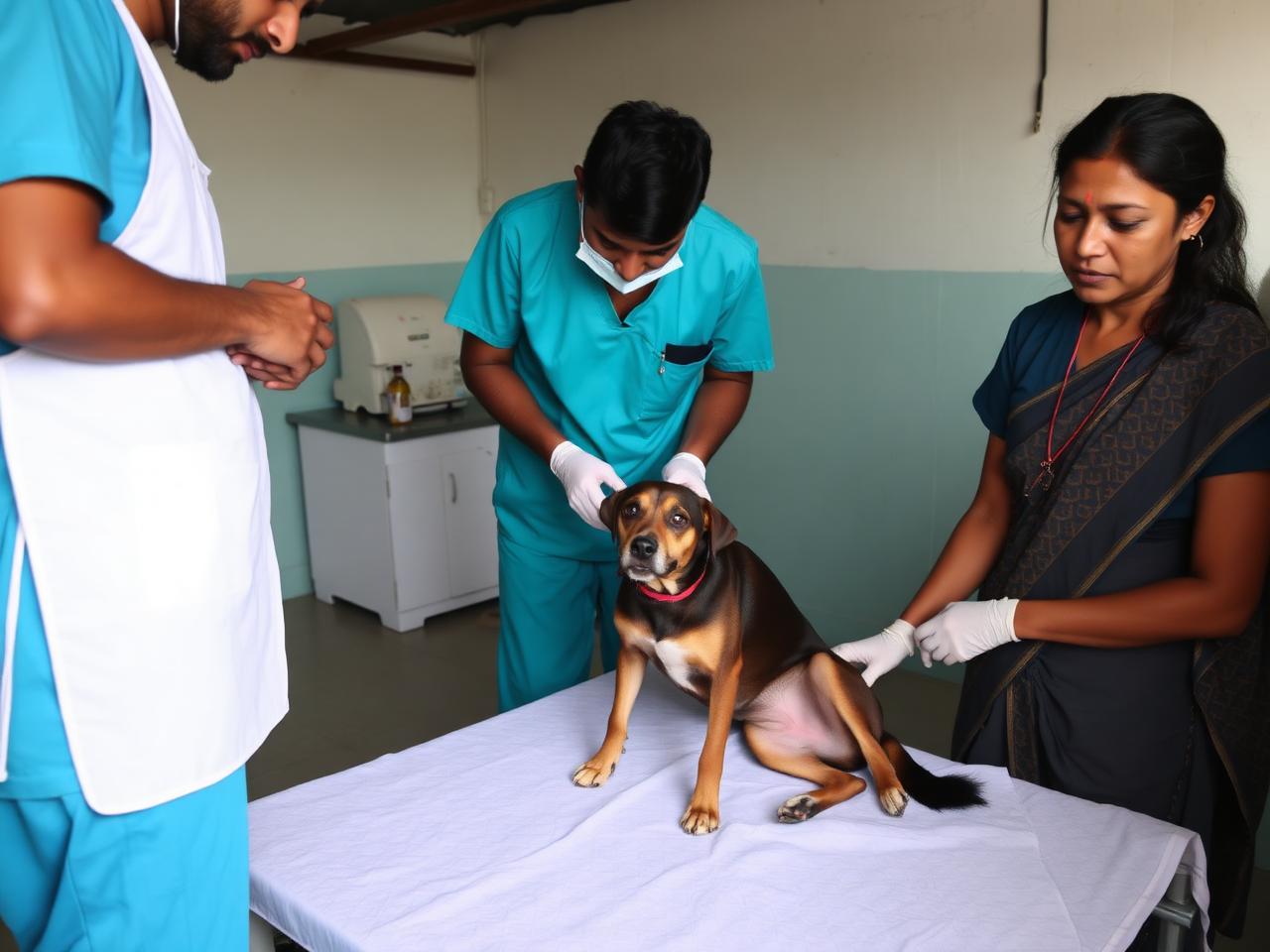
Veterinary team preparing instruments for a sterilisation drive at a clinical facility

01

Why sterilisation, and why patiently

Repeated litters on the street mean puppies born into hunger, disease and road accidents, and rising conflict between residents and dogs.

Sterilisation changes this gradually and without cruelty. We avoid absolute claims: no single drive controls a population or eliminates disease. Sustained, area-wise coverage over years is what makes a measurable difference.

Dog sterilisation drives — why sterilisation, and why patiently

Caption and photo credit are editable content fields.

02

How a drive is organised

Every drive is planned around veterinary capacity rather than numbers we would like to announce.

  • Area survey and coordination with residents who know the dogs
  • Humane catching by trained handlers, with minimal stress and no rough restraint
  • Pre-operative assessment by the attending veterinarian; unfit animals are deferred
  • Surgery performed by qualified veterinary surgeons in a sterile setting
  • Monitored recovery, pain management and observation before release
  • Release at the exact location of pick-up, with an ear notch or record as per practice
Dog sterilisation drives — how a drive is organised

Caption and photo credit are editable content fields.

03

After the procedure

Recovery time varies with age, health and the individual animal. Dogs are kept under observation for the period advised by the veterinarian, with food, water and a clean resting space.

Where residents are willing, we ask them to keep an eye on recently released dogs and to inform us if a wound looks unwell.

Dog sterilisation drives — after the procedure

Caption and photo credit are editable content fields.

Clinical responsibility

All surgical decisions, anaesthesia and post-operative medication are the responsibility of qualified registered veterinary professionals. The foundation's role is coordination, humane handling, logistics and follow-up support. We do not publish medical protocols or dosages.

From the field

Photographs from this programme

Images are added only when they are supplied by the organisation and cleared for publication.

Dog sterilisation drives — field photograph 1
Dog sterilisation drives — field photograph 2
Dog sterilisation drives — field photograph 3

Ways to help

How you can help

Sponsor a sterilisation

Support the surgical, medication and recovery costs for one animal or a full drive.

Partner as a veterinarian

Registered veterinary surgeons and clinics can collaborate on scheduled drives.

Help coordinate your area

Residents who know local dogs make catching calmer, safer and far more effective.

Questions

Frequently asked questions

Is sterilisation painful for the dog?

The procedure is performed under anaesthesia by qualified veterinarians, with pain management and monitored recovery afterwards.

Will the dog be returned to the same street?

Yes. Community dogs are returned to the place they were picked up from, once the attending veterinarian considers them fit for release.

Does sterilisation stop dog bites or rabies?

It does not, on its own. It reduces litters and some conflict behaviour over time. Rabies prevention depends on vaccination programmes.

Get involved

Be part of a more compassionate India

Whether you give an hour a week, a skill, a partnership or a contribution, there is a way to help care reach further.